Beyond the Wheels: Cycling on Personal Health
Cycling is more than just a physical activity; it is a pathway to a healthier lifestyle. Beyond the Wheels: The Impact of Cycling clearly strengthens the heart, improves lung capacity, and builds muscle endurance without placing too much strain on the joints. Regular cycling also supports mental well-being by reducing stress and boosting mood through the release of endorphins. Beyond the Wheels: The Impact of Cycling becomes even more meaningful when individuals experience increased energy, better concentration, and long-term protection against lifestyle-related diseases.
The Far-Reaching Effects of Cycling on the Environment
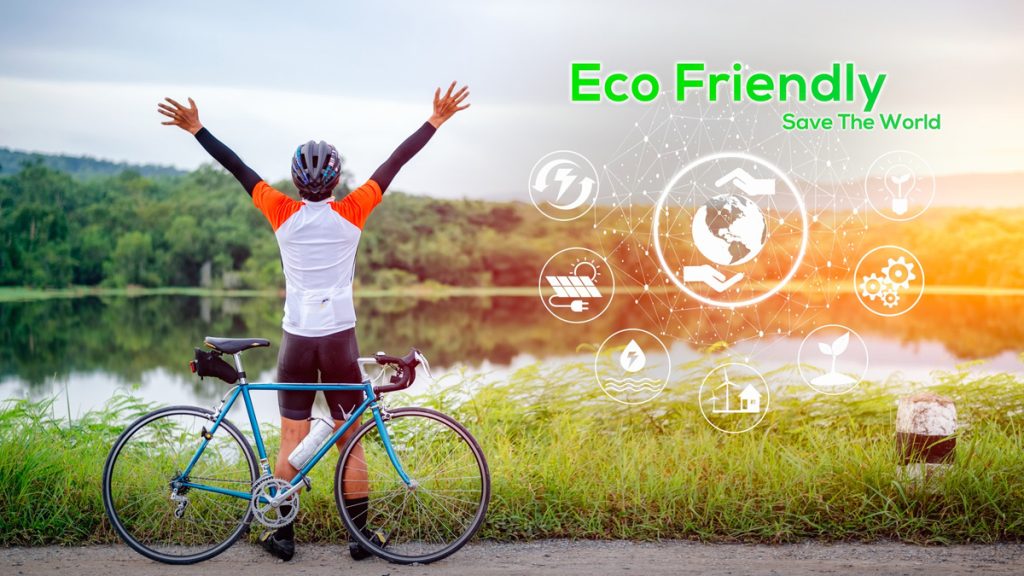
Modern transportation contributes greatly to pollution, but cycling offers a clean and sustainable solution. Environmental protection is another important example of Beyond the Wheels: The Impact of Cycling in everyday life. When people choose bicycles instead of cars, they reduce harmful emissions and help lower air pollution. Beyond the Wheels: The Impact of Cycling is evident in cleaner air, reduced traffic congestion, and quieter communities. Since bicycles do not require fuel or produce exhaust fumes, they offer a sustainable transportation option that supports efforts to fight climate change and protect natural resources for future generations.
The Social Influence Beyond the Wheels
Shared activities strengthen communities, and Beyond the Wheels: The Impact of Cycling actively brings people together. Unlike driving, cycling allows individuals to interact with neighbors and become more engaged with their surroundings. Cycling appears in group rides, with families and friends, cycling clubs, and community events that encourage teamwork, friendship, and cooperation. These social connections help create supportive environments where people feel more connected and involved. Cycling also drives economic growth through bike shops, repair services, and improved city planning that includes safer bike lanes. Cities that invest in cycling infrastructure often experience smoother traffic flow and safer public spaces, benefiting everyone.