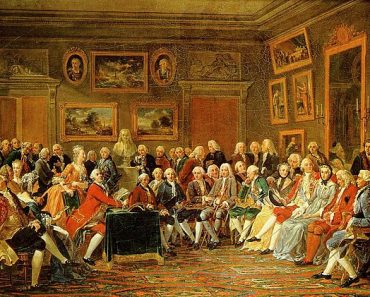
How Birds Inspire Aircraft Design? Flight has long been a dream of humanity, a desire to conquer the skies that stretches back through millennia. Surprisingly, some of the most profound insights into flight have come not from laboratories or computer simulations, but from observing the natural world around us—particularly, from the elegant and efficient flight of birds.
1. Learning from Nature: Biomimicry in Aviation
For centuries, birds have been the undisputed champions of the sky, effortlessly gliding through the air with grace and precision. Because of their mastery of flight, engineers and designers have turned to nature for guidance in crafting modern aircraft.
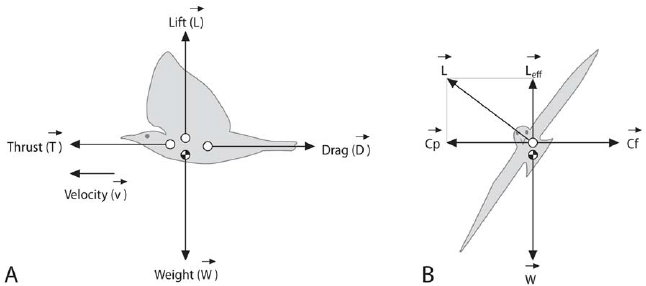
2. The Secrets of Lift: Aerodynamics and Avian Anatomy
At aviation’s core is aerodynamic lift, defying gravity for flight. Therefore, birds achieve this feat through the careful manipulation of airflow over their wings, a concept that has guided the design of aircraft wings for decades.
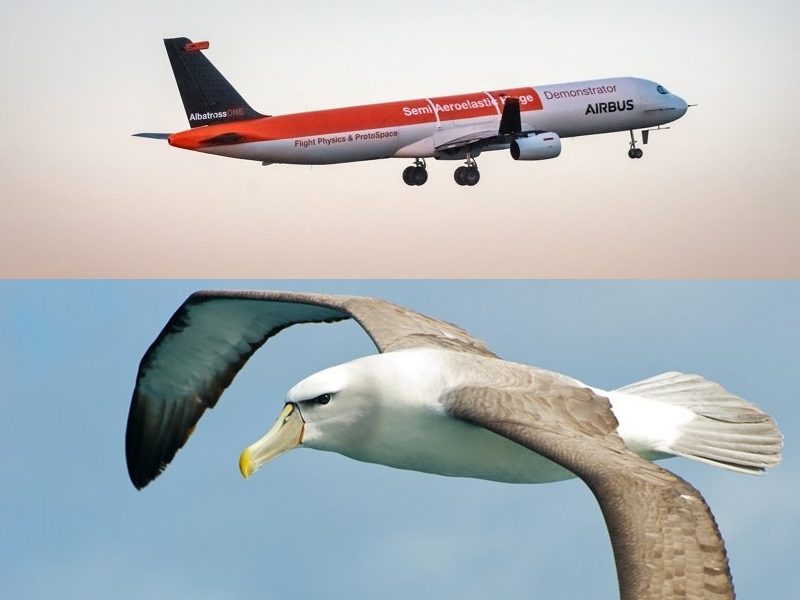
3. From Albatross to Airbus: Optimizing Wing Design
By studying the shape and structure of avian wings, engineers have been able to refine the design of aircraft wings to maximize lift while minimizing drag. The result is wings that are not only more efficient but also more stable and maneuverable, allowing aircraft to perform with unparalleled precision.
4. Navigating the Air: Control Systems Inspired by Avian Agility
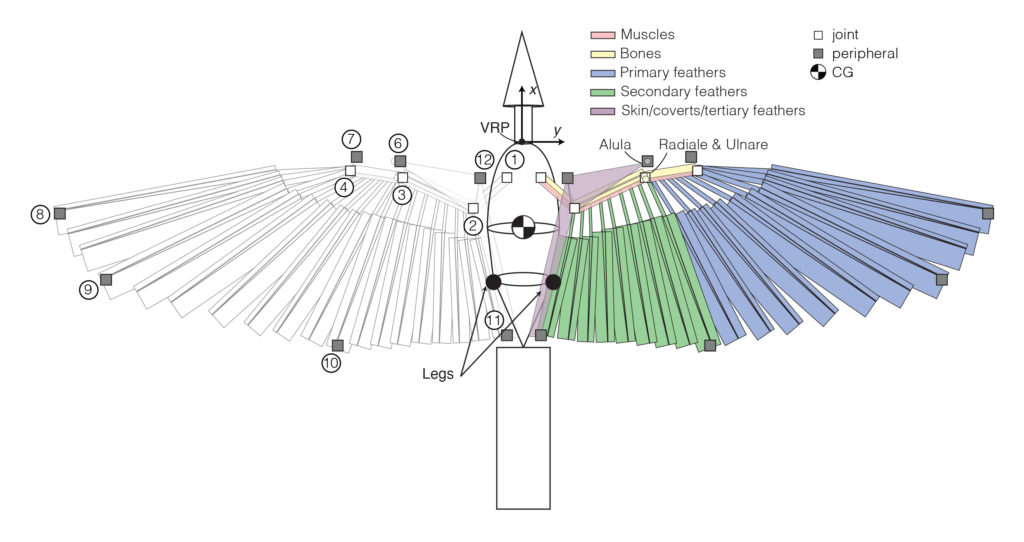
Birds are not only masters of lift but also experts in maneuverability, effortlessly weaving through the air with unparalleled agility. Observing their movements led to advanced control systems, aiding precise aircraft navigation.
5. Lightness and Strength: Materials Inspired by Avian Anatomy
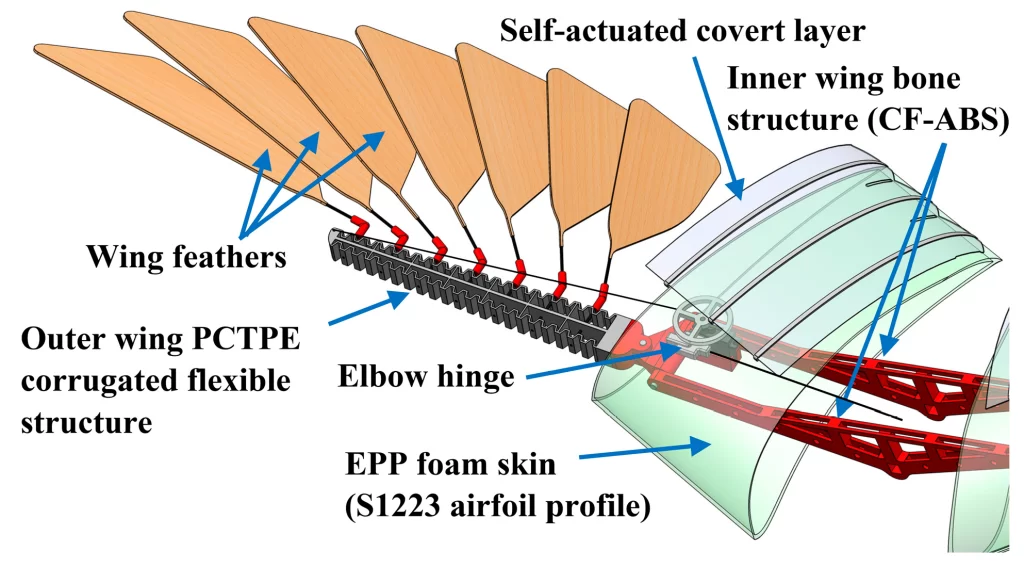
In addition to their aerodynamic prowess, birds possess lightweight yet remarkably strong bones—a feature that has inspired the development of advanced materials used in aircraft construction. By mimicking avian structures, engineers craft lighter, fuel-efficient aircraft.
6. Looking Ahead: The Future of Bird-Inspired Aviation
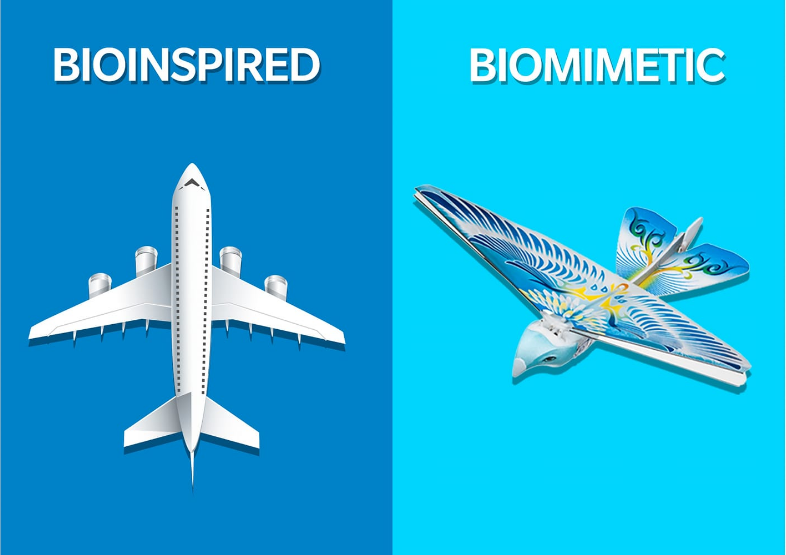
Additionally, as technology advances and our understanding of avian flight deepens, birds continue to shape aircraft design. From biomimetic materials to innovative control systems, their legacy in aviation embodies constant innovation.
Conclusion: Honoring Nature’s Legacy in the Skies
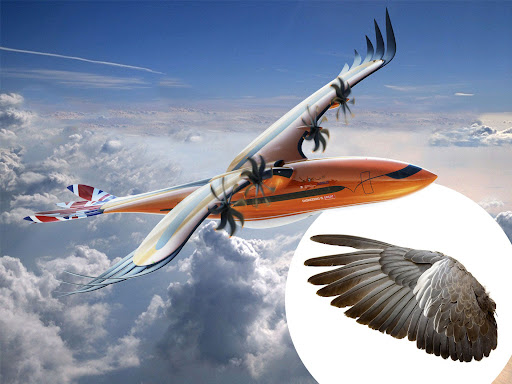
In conclusion, nature has been our greatest teacher and inspiration. Because of our meticulous observation of the elegant flight of birds, we have gained invaluable insights into the principles of aerodynamics, control, and materials science—all of which have profoundly influenced the design of modern aircraft. Therefore, it becomes evident that birds are a driving force behind the inspiration and innovation in aircraft design. So, that is how birds inspire aircraft design.