The Air pollution is a pressing concern in urban areas worldwide, with significant implications for public health, environmental quality, and economic development. As urbanization continues to accelerate, the need for robust policies to mitigate air pollution becomes increasingly urgent. This article examines the challenges of urban dust contamination and explores effective policy measures to address this complex issue.
Understanding Urban Air Pollution:
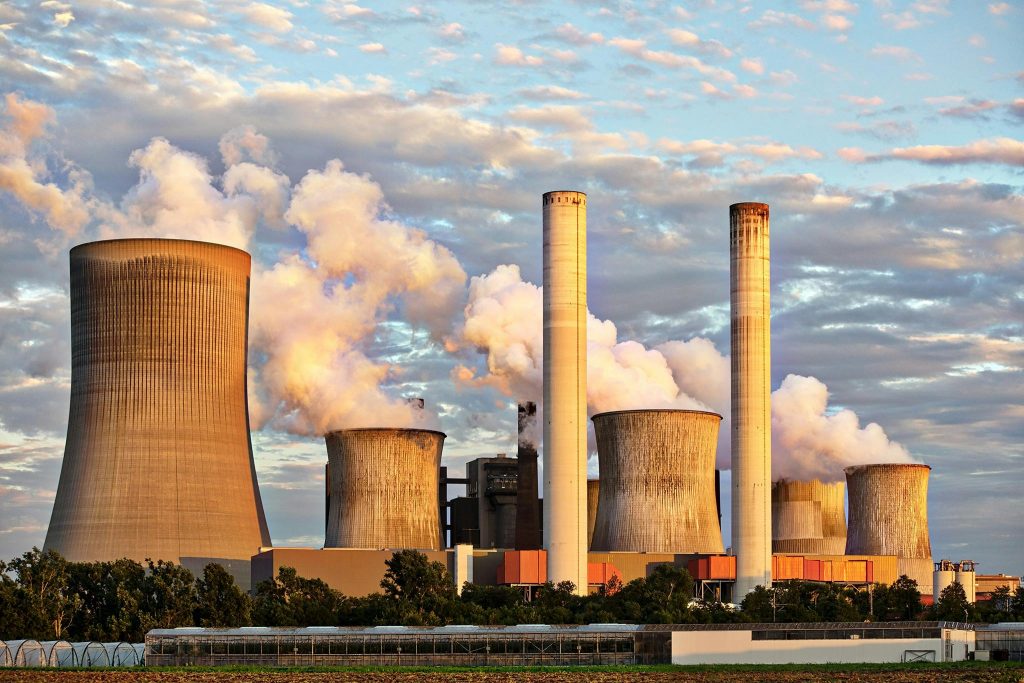
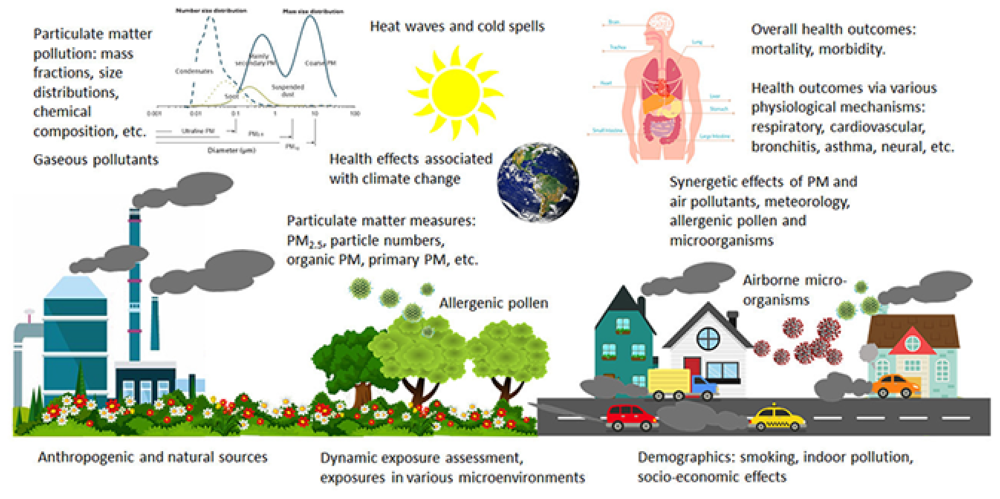
Urban air pollution stems from a variety of sources, including vehicular emissions, industrial activities, construction, and energy production. Pollutants such as particulate matter (PM), nitrogen oxides (NOx), sulfur dioxide (SO2), volatile organic compounds (VOCs), and carbon monoxide (CO) contribute to poor air quality, leading to respiratory illnesses, cardiovascular diseases, and environmental degradation. The concentration of pollutants is often higher in urban areas due to population density, traffic congestion, and industrialization.
Challenges in Mitigating Urban Air Pollution:
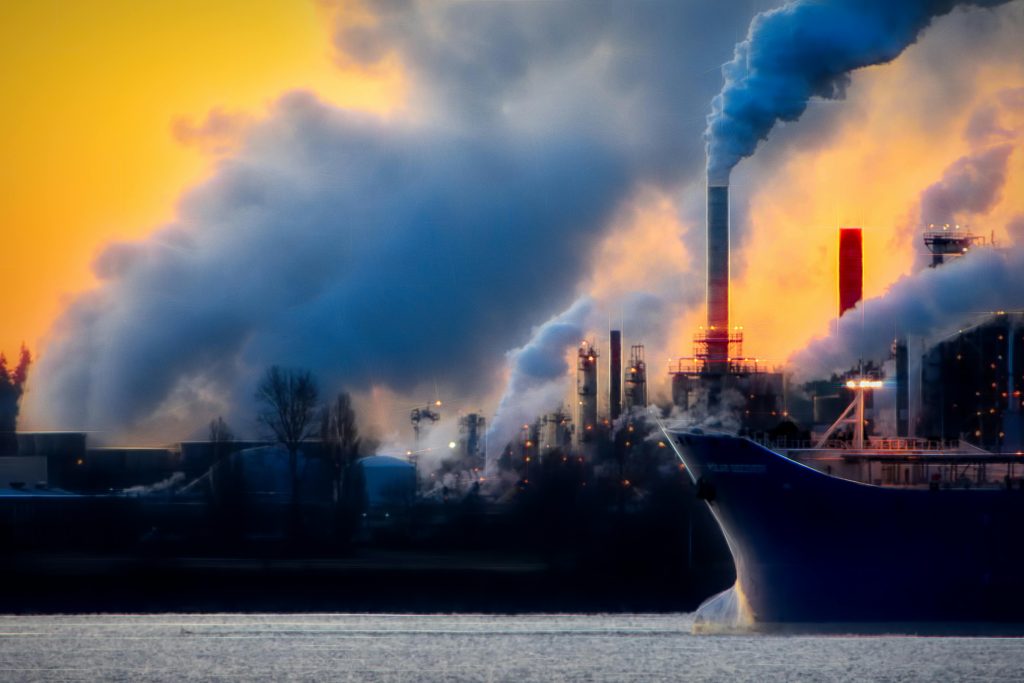
Mitigating urban air pollution presents several challenges, including the complexity of pollution sources, regulatory enforcement, technological limitations, and socioeconomic factors. Additionally, the interconnected nature of urban systems necessitates coordinated efforts across multiple sectors, including transportation, energy, industry, and urban planning. Achieving significant reductions in air pollution requires holistic approaches that address both stationary and mobile sources, as well as short-term and long-term strategies.
Key Policy Measures for Air Pollution Mitigation:
- Vehicle Emissions Standards and Regulations: Implementing stringent emissions standards for vehicles is essential for reducing air pollution from transportation. Measures such as vehicle inspections, emissions testing, and the adoption of cleaner fuels can help control vehicle emissions and improve air quality.
- Promotion of Public Transportation and Non-Motorized Modes: Encouraging the use of public transportation, cycling, and walking can reduce reliance on private vehicles, thereby decreasing traffic congestion and emissions. Investments in public transit infrastructure, including bus rapid transit (BRT) systems and cycling lanes, can make sustainable transportation options more accessible and attractive to residents.
- Urban Planning and Land Use Policies: Integrating air quality considerations into urban planning decisions can minimize exposure to pollutants and promote sustainable development. Strategies such as compact city design, mixed land use, and green space preservation can mitigate air pollution while enhancing livability and environmental quality.
- Energy Efficiency and Renewable Energy: Transitioning to cleaner and more efficient energy sources is crucial for reducing dust contamination from power generation and industrial activities. Policies that incentivize energy efficiency improvements, renewable energy deployment, and the phase-out of fossil fuels can contribute to significant emissions reductions.
- Regulatory Compliance and Enforcement: Strengthening regulatory frameworks and enforcement mechanisms is essential for ensuring compliance with air quality standards and pollution control measures. Monitoring, reporting, and enforcement efforts can deter polluters and hold them accountable for their environmental impact.
- Public Awareness and Education: Raising awareness about the health effects of dust contamination and the importance of individual and collective action is critical for fostering behavior change and community engagement. Public education campaigns, school programs, and community outreach initiatives can empower citizens to take proactive measures to reduce air pollution in their daily lives.
Case Studies and Success Stories:

Several cities around the world have implemented successful urban policies for dust contamination mitigation, yielding tangible improvements in air quality and public health. For example, Copenhagen, Denmark, has prioritized cycling infrastructure and pedestrian-friendly urban design, resulting in reduced traffic congestion and emissions. Likewise, Curitiba, Brazil, has implemented a comprehensive public transportation system, including bus rapid transit (BRT) corridors, to promote sustainable mobility and combat air pollution.
Conclusion:
Mitigating urban dust contamination requires coordinated efforts and innovative policy measures that address the complex drivers of pollution while promoting sustainable development and public health. By implementing effective policies such as vehicle emissions standards, public transportation promotion, urban planning integration, energy efficiency improvements, regulatory compliance, and public awareness campaigns, cities can make significant strides towards cleaner air and a healthier environment for all residents. However, continued collaboration among government agencies, businesses, civil society organizations, and the public is essential to sustain progress and achieve long-term air pollution mitigation goals.