Unraveling the Shocking Realities of the Ebola Virus. In the annals of infectious diseases, few pathogens evoke as much fear and intrigue as the Ebola virus. Since its discovery in 1976, outbreaks of Ebola have sporadically emerged, leaving a trail of devastation and uncertainty in their wake. Here, we delve into the shocking facts surrounding this notorious virus, shedding light on its deadly capabilities and the ongoing battle to contain its spread.
The Origin Story: A Mystery Unraveled

The Ebola virus was first identified in 1976 in two simultaneous outbreaks, one in Nzara, Sudan, and the other in Yambuku, Democratic Republic of Congo (then Zaire). Named after the Ebola River where the latter outbreak occurred, the virus belongs to the family Filoviridae, known for its thread-like, filamentous appearance under the microscope. Despite decades of research, the exact origins of Ebola remain uncertain, with bats considered the most likely natural reservoir.
Unraveling the Shocking Realities Rapid Transmission: A Swift and Deadly Menace
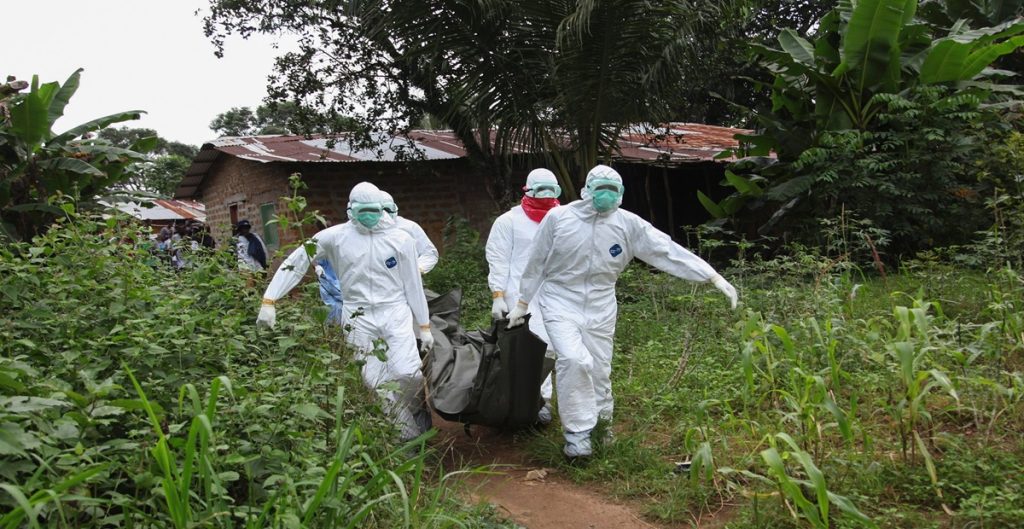
One of the most alarming aspects of Ebola is its ability to spread rapidly through human populations. The virus is transmitted through direct contact with bodily fluids of infected individuals or contaminated objects, making healthcare settings and funeral practices particularly high-risk environments. With an incubation period ranging from 2 to 21 days, infected individuals may unknowingly carry the virus, exacerbating its spread before symptoms manifest.
Unraveling the Shocking Realities Terrifying Symptoms: A Harrowing Affliction
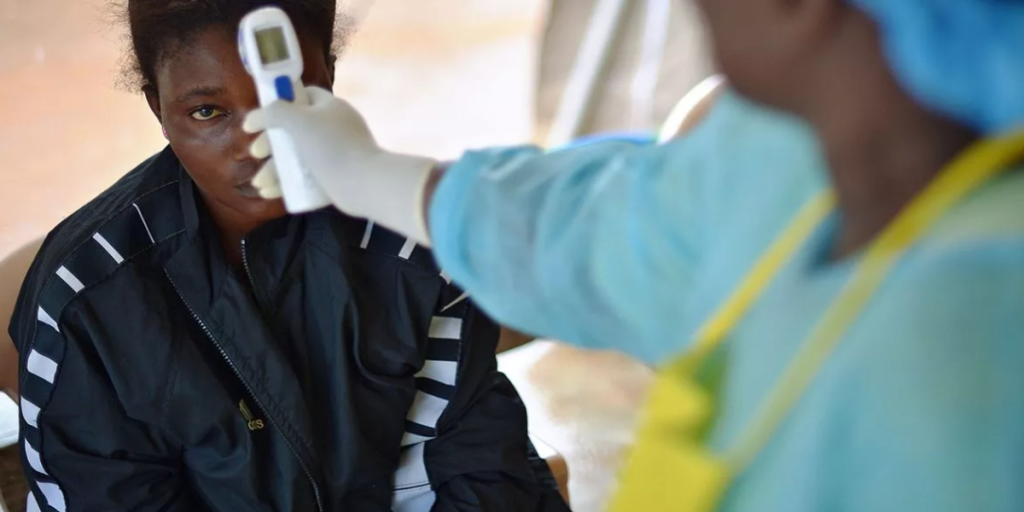
Ebola is notorious for its devastating symptoms, which often progress rapidly and with alarming severity. Early signs include fever, headache, muscle pain, and weakness, resembling symptoms of other infectious diseases, complicating diagnosis. As the infection advances, patients may experience vomiting, diarrhea, rash, impaired kidney and liver function, and in severe cases, internal and external bleeding. The mortality rate varies between outbreaks but can reach up to 90%, depending on factors such as access to healthcare and the strain of the virus.
Unraveling the Shocking Realities Outbreaks and Epidemics: A Global Crisis Unfolds
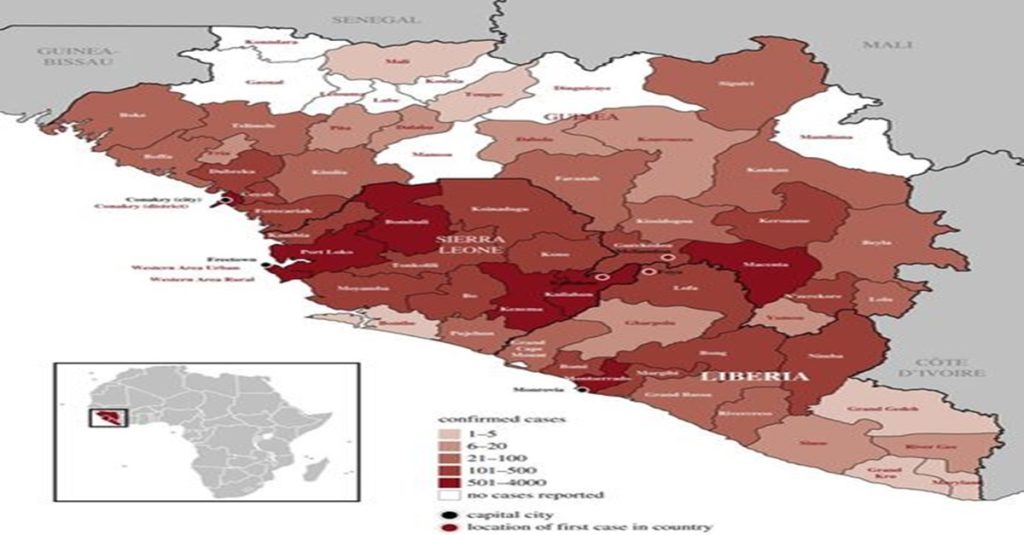
Since its discovery, Ebola has caused sporadic outbreaks across Central and West Africa, each posing a significant public health challenge. The 2014-2016 West African Ebola epidemic, the largest in history, highlighted the global ramifications of the virus. Originating in Guinea and spreading to Liberia and Sierra Leone, the epidemic claimed over 11,000 lives, strained healthcare systems, and prompted international emergency responses. The outbreak underscored the need for improved preparedness, surveillance, and response mechanisms to combat emerging infectious threats.
Challenges in Containment: A Daunting Task
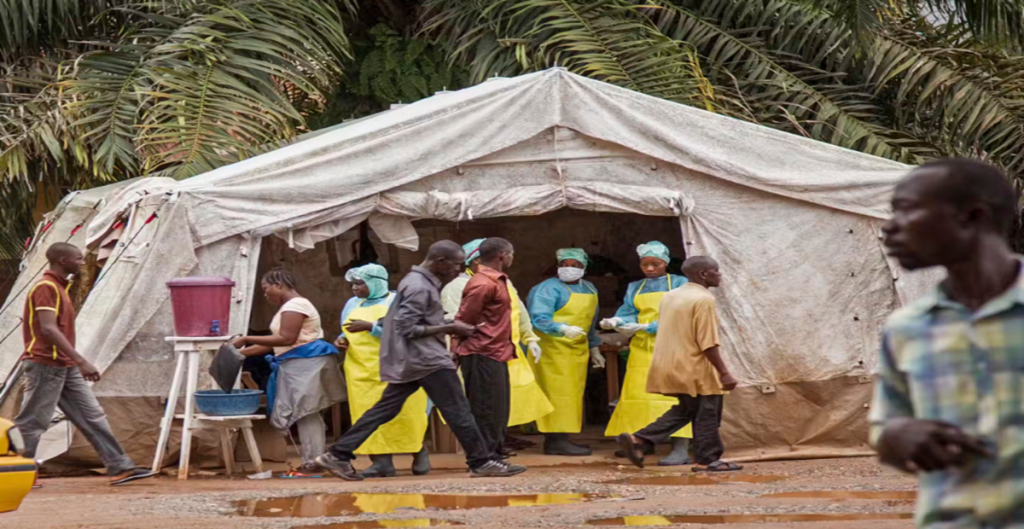
Containing Ebola outbreaks poses formidable challenges, exacerbated by factors such as inadequate healthcare infrastructure, community distrust, and logistical hurdles. Implementing effective infection control measures, such as isolating patients, tracing contacts, and promoting safe burial practices, is essential but often hampered by resource constraints and social dynamics. Additionally, the deployment of experimental vaccines and therapeutics has shown promise in mitigating the impact of outbreaks but requires careful coordination and evaluation.
The Ongoing Battle: A Call to Action
As the world grapples with the COVID-19 pandemic, the threat of Ebola looms ever-present, underscoring the critical need for sustained global vigilance and cooperation. Strengthening healthcare systems, enhancing surveillance capabilities, and fostering community engagement are essential components of a comprehensive strategy to prevent and respond to Ebola outbreaks. Moreover, addressing the underlying social, economic, and environmental determinants of infectious diseases is paramount in building resilient societies capable of weathering future health crises.
Conclusion: Vigilance in the Face of Uncertainty
The shocking truths of the Ebola virus serve as a stark reminder of the relentless threat posed by infectious diseases. From its mysterious origins to its rapid transmission and devastating symptoms, Ebola continues to challenge our understanding of infectious pathogens and the complexities of global health security. As we confront the ongoing battle against Ebola and emerging threats, let us remain vigilant, united in our efforts to protect the health and well-being of all individuals, regardless of borders or boundaries.