
Why So Many Women Feel Tired All the Time: The Hidden Physical, Hormonal, and Lifestyle Factors Draining Women’s Energy Every Day.
“I’m tired” has become one of the most common phrases women say today. But this isn’t the kind of tiredness that disappears after a good night’s sleep. It’s a deep, persistent exhaustion that lingers throughout the day, affecting focus and mood, and making even simple tasks feel overwhelming.
For years, this constant fatigue has been blamed on stress. While stress does play a role, it’s far from the whole story. Many women are tired because of a combination of biological, emotional, and lifestyle factors that are often ignored or misunderstood.

The Invisible Mental Load
One major contributor to women’s fatigue is the mental load—the constant thinking, planning, remembering, and anticipating that goes unnoticed. Women are often the default managers of households, schedules, and emotional well-being, even when working full-time jobs.
This nonstop mental effort keeps the brain in a state of alertness, leaving little room for true rest. Over time, it leads to mental exhaustion that sleep alone cannot fix. Mental fatigue is real fatigue, yet it’s rarely acknowledged.
When Hormones Drain Your Energy
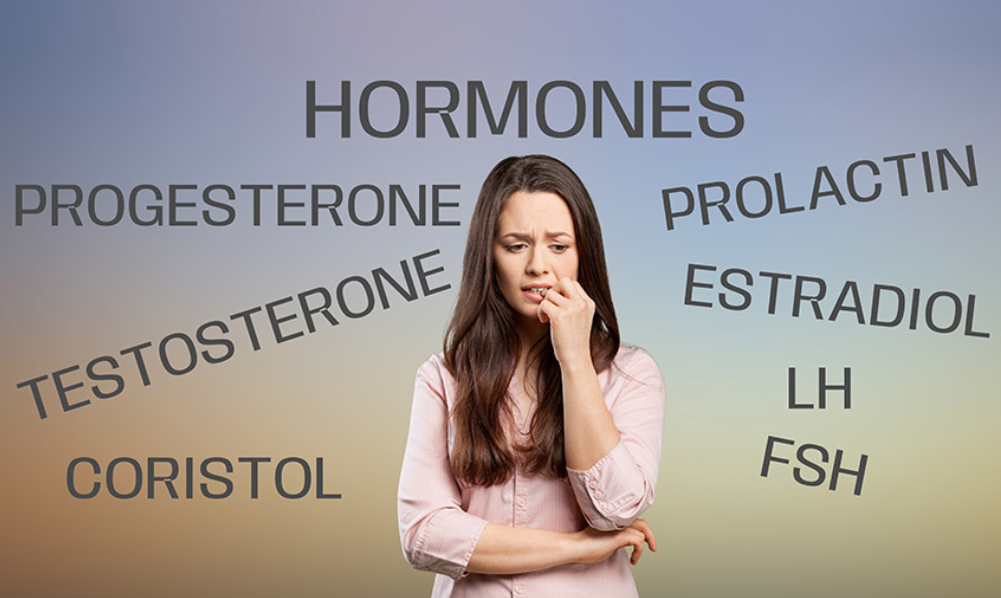
Hormones play a powerful role in how women feel day to day. Monthly cycles, pregnancy, postpartum changes, perimenopause, and menopause all involve hormonal shifts that can significantly impact energy.
Imbalances in estrogen, progesterone, thyroid hormones, or cortisol can cause persistent tiredness, brain fog, mood changes, and sleep issues. Conditions such as thyroid disorders or polycystic ovary syndrome (PCOS) are also common contributors.
Unfortunately, many women are told these symptoms are “normal,” delaying proper evaluation and care.
Nutrient Deficiencies, Especially Iron
Iron deficiency is one of the most common causes of fatigue in women. Regular menstruation, pregnancy, and breastfeeding increase iron needs, making women more vulnerable to low levels.
Low iron can lead to:
- Constant tiredness
- Weakness
- Headaches
- Shortness of breath
- Difficulty concentrating
Other nutrient deficiencies—such as vitamin B12, vitamin D, and magnesium—can also drain energy. Even with a balanced diet, absorption issues or restrictive eating can leave the body under-fueled.
Lack of Quality Sleep
Many women get enough hours of sleep but still wake up exhausted. That’s because sleep quality matters just as much as sleep duration.
Hormonal changes, anxiety, overthinking, late-night screen use, caregiving responsibilities, and caffeine intake can all interfere with restorative sleep. When sleep is consistently disrupted, the body never fully recovers, leading to chronic fatigue.
Chronic Stress and Burnout
Stress may not be the only cause of women’s exhaustion, but it magnifies every other factor. Chronic stress keeps cortisol levels elevated, disrupting sleep, hormones, digestion, and immune function.
Many women live in survival mode for years—pushing through exhaustion, ignoring warning signs, and prioritizing others over themselves. Eventually, this leads to burnout, which the body expresses through constant fatigue.
Emotional Labor and Caregiving
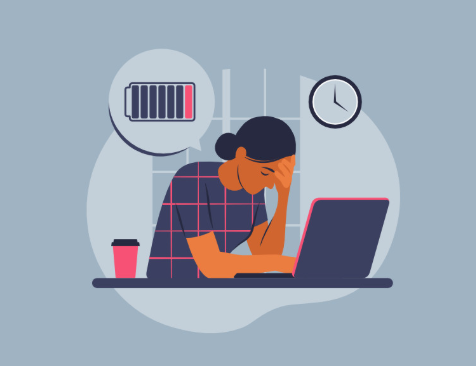
Women often carry the burden of emotional labor—supporting, comforting, listening, and caring for others. Whether as mothers, daughters, partners, or professionals, this emotional responsibility requires energy.
When emotional output consistently exceeds emotional rest, exhaustion becomes inevitable.
When Tiredness Is a Signal
Feeling tired all the time is not a personal failure. It’s a signal that something is out of balance. Fatigue is the body’s way of asking for attention, care, and change.
Addressing it may involve medical checkups, better nutrition, improved sleep habits, stress management, and setting boundaries that allow for genuine rest.
Final Thoughts
So many women feel tired all the time—not because they are lazy or weak, but because they are carrying more than most people realize. Stress is part of the picture, but hormones, nutrition, sleep, emotional labor, and societal pressure all play major roles.
Listening to the body and taking women’s fatigue seriously is the first step toward real, lasting energy.
👉 Want to Learn More?
Discover more articles, insights, and trending topics on women’s health and modern living. Visit: https://www.cloudnewsfeed.com/.
Understanding your body is power—and rest is part of strength.


