
Understanding AIDS: Prevention and Hope in Today’s World
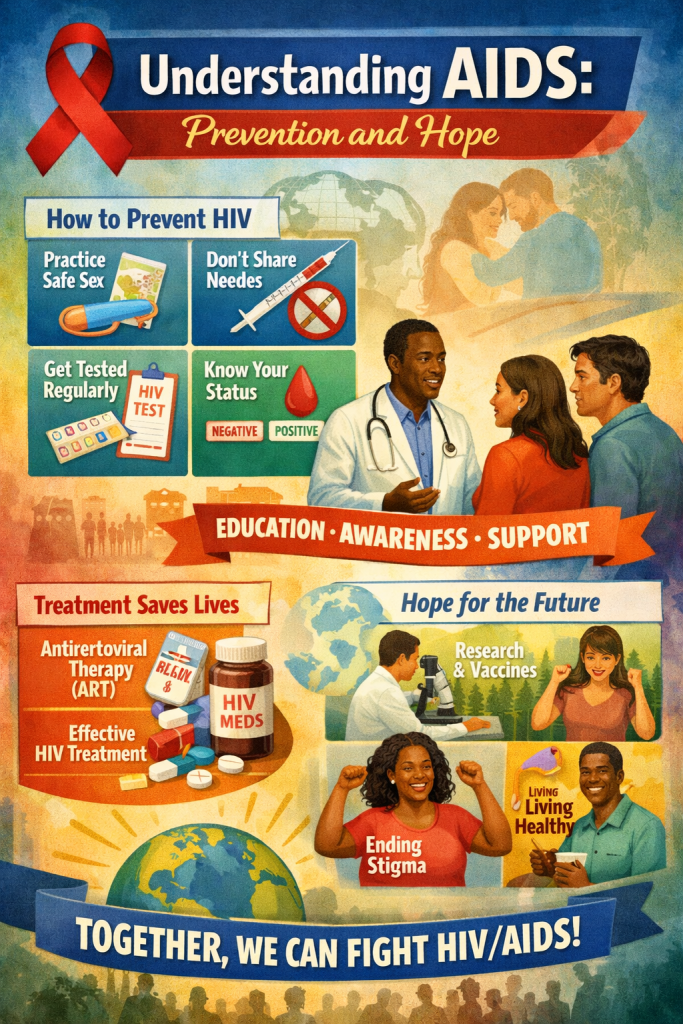
Understanding AIDS: Prevention and Hope begins with awareness. HIV remains a global health issue, but it is no longer the death sentence it once was. Thanks to medical progress, education, and improved access to treatment, millions of people living with HIV are now able to lead long and productive lives. With proper medical care, individuals can work, build families, and contribute meaningfully to their communities without their diagnosis defining their future.
Public health efforts led by organizations such as the World Health Organization and UNAIDS focus on reducing new infections and expanding access to care. Their programs support free testing services, affordable treatment, maternal health services to prevent mother-to-child transmission, and community-based education initiatives. These global partnerships have significantly lowered AIDS-related deaths over the past two decades and continue to strengthen health systems in vulnerable regions.
Understanding AIDS: Prevention and Hope Through Awareness and Prevention Strategies
HIV attacks the immune system, specifically the CD4 cells that protect the body from infections. Without treatment, HIV can progress to AIDS, the most advanced stage of the disease. Understanding AIDS: Prevention and Hope highlights the importance of early detection and consistent treatment to stop this progression. When the immune system becomes severely weakened, the body becomes vulnerable to opportunistic infections such as tuberculosis, pneumonia, and certain cancers, which can be life-threatening.
Prevention strategies include safe sexual practices, regular testing, and access to preventive medication such as PrEP and PEP. Education remains one of the strongest tools in HIV prevention, as informed communities are better prepared to protect themselves and others. Comprehensive sex education, needle-exchange programs, and awareness campaigns in schools and workplaces also play an important role in lowering transmission rates. Preventive healthcare empowers individuals to take responsibility for their well-being while protecting public health.
Understanding AIDS: Prevention and Hope Through Early Testing
One of the most powerful tools in fighting HIV is early testing. Many people with HIV may not experience noticeable symptoms at first. Regular screening ensures that individuals can begin treatment as soon as possible. Early diagnosis not only improves personal health outcomes but also reduces transmission rates by lowering the amount of virus in the body.
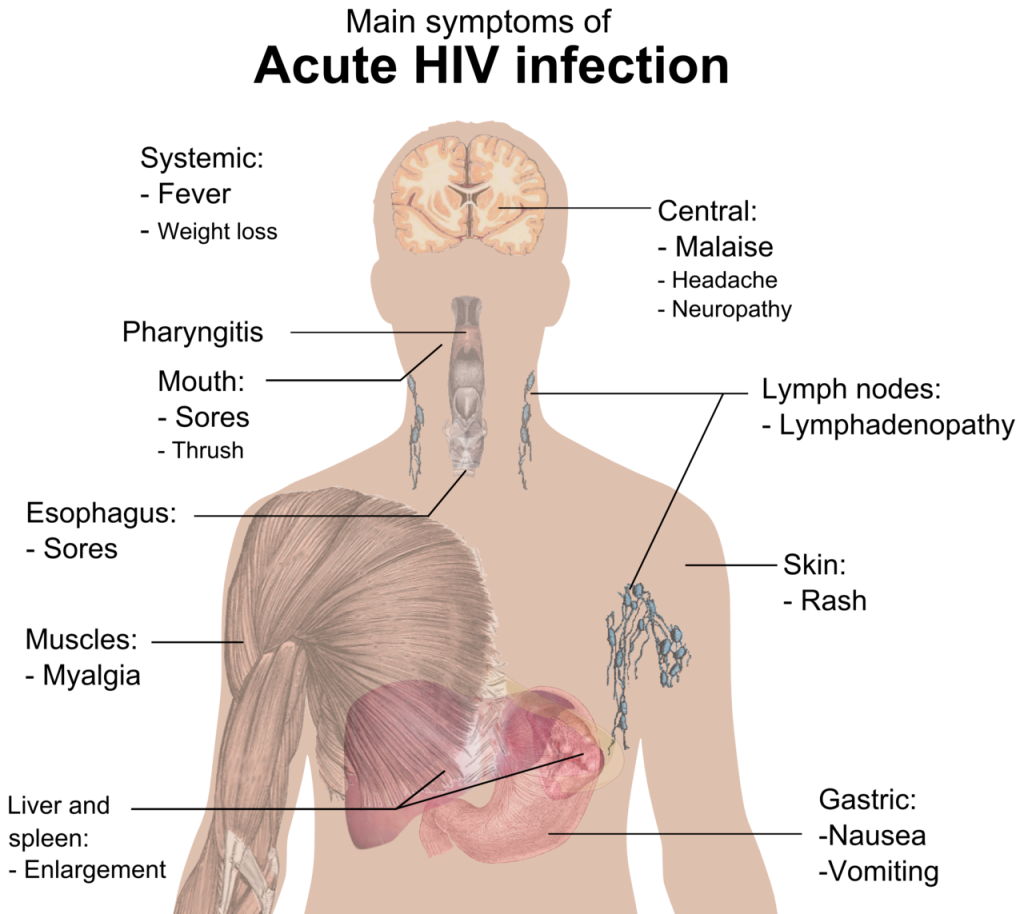
Antiretroviral therapy (ART) allows people living with HIV to suppress the virus to undetectable levels. When the virus is undetectable, it cannot be transmitted sexually—a scientific finding known as “Undetectable = Untransmittable” (U=U). This breakthrough has transformed public understanding of HIV and reduced fear surrounding relationships, marriage, and family planning. Early testing also provides emotional reassurance and access to counseling services, helping individuals cope with the diagnosis in a healthy and informed way.
Treatment Advances and Long-Term Care
Modern medicine has transformed HIV into a manageable chronic condition. Daily ART medication helps maintain immune function and significantly lowers the risk of developing AIDS. Treatment advancements over the past decades have reduced side effects, simplified dosing schedules, and improved overall quality of life for patients.
Long-acting injectable therapies and simplified drug regimens make adherence easier for many patients, especially those who struggle with taking daily medication. Regular medical monitoring ensures that treatment remains effective and helps detect any complications early. Mental health support, nutritional guidance, and social services are also important aspects of long-term HIV care. Holistic healthcare approaches recognize that managing HIV involves both physical and emotional well-being.
Breaking Stigma and Promoting Compassion
Despite medical progress, stigma remains one of the biggest barriers to HIV prevention and treatment. Fear, discrimination, and misinformation discourage people from seeking testing or care. Addressing these social challenges requires empathy, education, and open dialogue within families, schools, workplaces, and faith communities.
Community outreach programs and awareness campaigns help normalize conversations about HIV. When societies embrace inclusion and support, they strengthen prevention and care efforts. Reducing stigma encourages more people to get tested, disclose their status safely, and adhere to treatment without fear of rejection. Compassionate communities create safer environments where individuals feel valued and respected.
A Global Movement for AIDS Awareness and Hope
Worldwide initiatives have significantly reduced HIV-related deaths and new infections. However, challenges such as unequal healthcare access, poverty, gender inequality, and limited resources in some regions still exist. Continued funding, research, and public education are essential to close these gaps and ensure that no population is left behind.
At its core, the fight against HIV is about empowering individuals with knowledge while building systems that provide care and dignity. Governments, healthcare providers, nonprofit organizations, and community leaders must work together to expand testing, treatment access, and preventive education. Sustainable health policies and international cooperation are critical to maintaining progress and protecting future generations.
The Future of HIV Prevention and Hope
The future offers promising developments, including vaccine research, potential cures, and improved treatment technologies. Scientists continue to explore innovative strategies such as gene therapy and immune-based treatments that may one day eliminate the virus entirely. While a complete cure is not yet available, ongoing research provides realistic optimism.
When awareness, prevention, treatment, and social support come together, real change happens. Continued commitment to education, medical innovation, and compassion strengthens global health systems. By investing in research, promoting inclusive healthcare, and encouraging responsible prevention practices, communities move closer to a world where HIV is no longer a major public health threat. Hope remains a powerful force, driving progress and inspiring collective action toward a healthier and more informed future.


