Marketing strategies are capable of increasing consumer spending without them even realizing it. But as soon as customers figure out these techniques, they no longer function. Therefore, we’d like to share some marketing strategies that shops frequently employ with you. They’re worth remembering the next time you go shopping.
1. Clearance racks are disorganized for a reason.
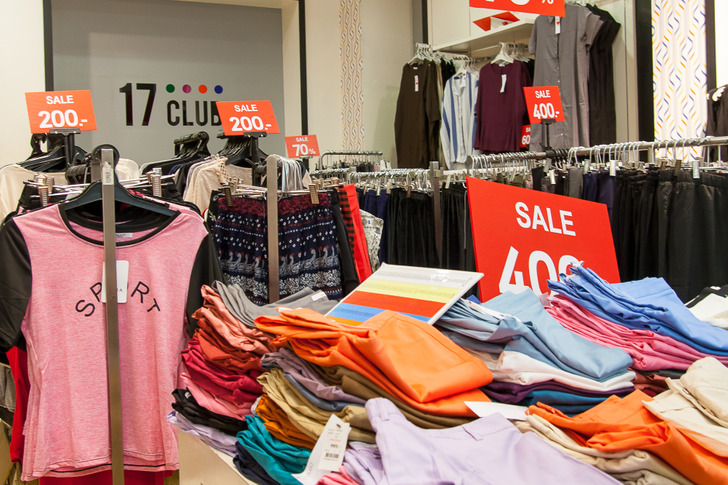
For a reason, sales representatives leave the clearance section unorganized. Customers will want to return to the tidy and well-organized displays of the new collections in this way, even though the things in them are obviously more expensive.
2. In outlet stores, it’s rare that you’ll find clothing from well-known names.

Theoretically speaking, outlet stores appear like a brilliant concept because it’s said that you can find goods from well-known companies there for less money. Unfortunately, things don’t exactly work out like this. Outlet stores typically run as distinct brands of their own. Typically, they sell goods that were created especially for them, which implies that they are already fairly affordable.
Given that the clothing on the racks at outlet stores is frequently of lower quality, the crossed-out prices on tags are mainly a marketing ploy.
3. Calling customer service is preferable to complaining to a store management.

Sometimes a store manager doesn’t have enough power to grant certain of your demands. Call customer support if you are having issues at a large chain store. If an item is broken, for instance, their representative will hear your complaints and give the store manager the go-ahead to allow you return it.
Marketing strategies, are businesses follow the maxim that the customer is always right. Therefore, calling customer support increases your chances of having your concern resolved.
4. The markups in boutique stores are significant.
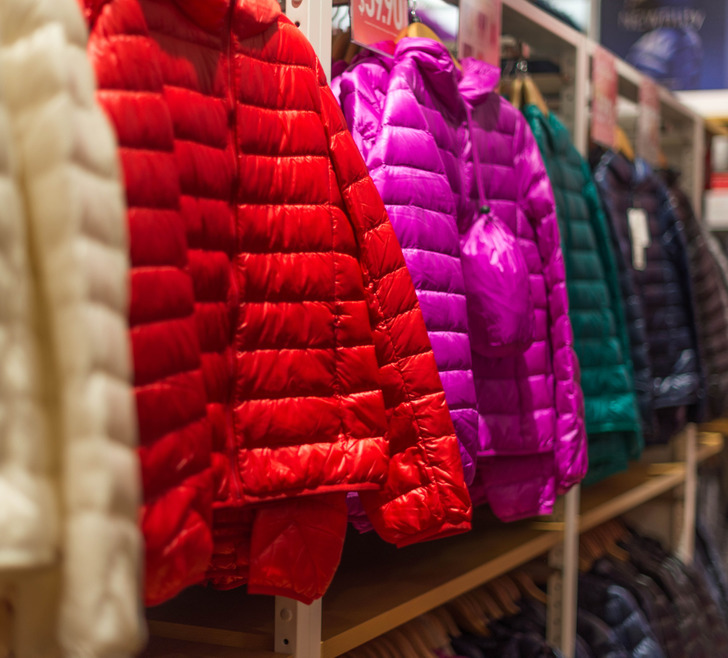
The majority of the clothing sold in these stores is actually significantly cheaper. When it comes to clothing, especially jeans, markups might reach 350% and even 500%. Additionally, the markups in boutique stores in busy regions are typically significantly larger than those in chain stores.
5. Before wearing new clothing, it is best to wash it.

Retail staff members acknowledge that the storage situations at the stores are far from optimal. Clothing goods might be kept on shelves or in cartons before finding a spot on racks. After then, they will have been worn by other persons, and clothing may drop to a dirty or wet floor. Always wash recently purchased clothing before wearing it, say retail sales advisers.
To purchases made in thrift shops, the same principle applies. Since it would be costly to wash the apparel before putting it out on the sales floor, their employees frankly state that they don’t.
6. Upselling is a requirement from management for sales associates.

You don’t need to feel awful about the sales representatives who are promoting items other than the ones you’ve already decided to buy. The truth is that they have a duty to do this, and failing to do so will result in a poor performance review.
Sales representatives may need to make product recommendations. For this reason, when someone says, “It looks amazing on you! “from a salesperson, you ought to question whether you actually require this thing.
7. Stupid salespeople could try to get you to buy more.

A study found that clients who are helped by snobbish salespeople are more likely to make a purchase. This is only accurate for upscale shopping establishments, though.
Customers visiting these stores are prepared to spend a lot of money. Additionally, if the salesperson’s face says, “You can’t afford this,” the consumer will value the item they have chosen more. They are content to make the buy as a result.
8. Items from an online catalog are unlikely to be found in physical stores.
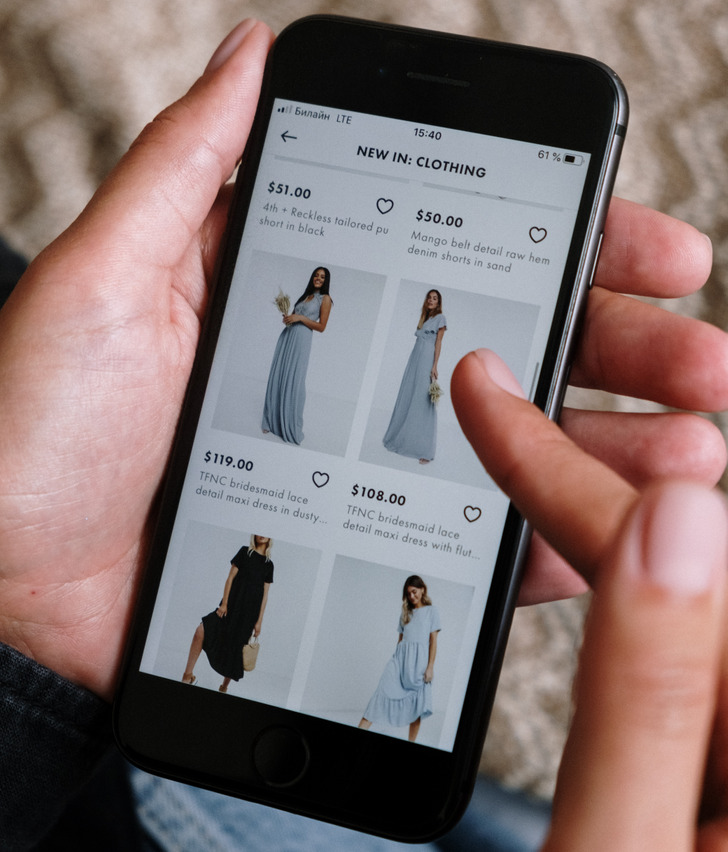
Online and offline shopping are two distinct activities. The list of products displayed on the corporate website frequently differs from the list offered in stores.
Therefore, if you choose to purchase the item you desire in person rather than online to save on shipping costs, you risk being let down because it may not be available.
9. Your returns are tracked by stores.

Retail establishments keep track of every customer’s purchases and returns. A person might be barred from the store for engaging in fraud if they return their items too frequently.
10. On flat surfaces, merchandise is more likely to be bought.
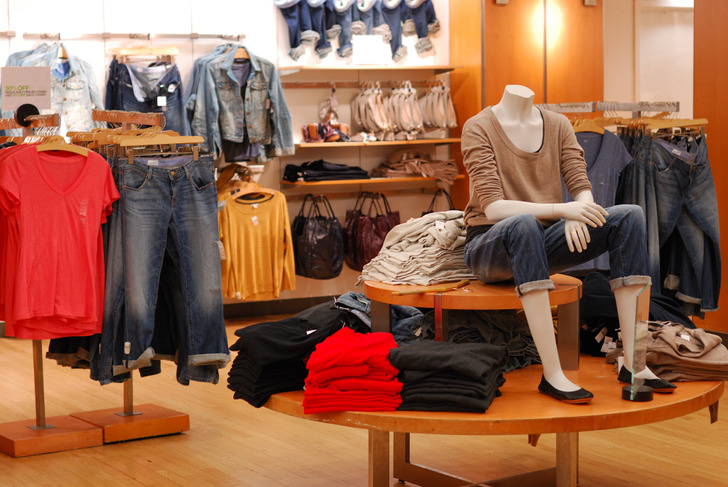
Shoes and apparel are frequently displayed on flat tables in retail settings. To enable the buyer to put their belongings down and handle an item with both hands, this is done. In actuality, touching products is a crucial step in moving from consideration to purchase. Therefore, things put on tables have a higher likelihood of selling rapidly than those that are hung on the racks.
11. For clothing with flaws, there is a discount.

Before bringing an item to the cashier, it is important to properly inspect it. It’s an excellent idea to show a sales assistant any parts that are misaligned or any tears that shouldn’t be there. Few individuals are aware that you can save between 15% and 20% in this manner. Although it may take some time, you will ultimately save money.
12. A price tag’s appearance has a significant impact.

The desire of a buyer to make a purchase can be influenced by a variety of things, including price tags. The price of more expensive things is typically expressed as a thousand-separator without a comma. From a psychological standpoint, the number appears shorter and less threatening in this way to a buyer.

The numbers with a comma are perceived by customers as being more expensive, so retail personnel who are aware of this method will write “1500” on a price tag instead than “1,500.” As a result, they are more likely to be set aside than an item whose price lacks a comma.
Do you have any other knowledge of retail marketing strategies? Describe them in the comments section below.