The global entertainment landscape has transformed dramatically over the past two decades, and no shift has been more striking than the rise of gaming. Once dismissed as a niche hobby for teenagers, video games have grown into a multibillion-dollar industry that rivals — and often surpasses — the film business in both revenue and cultural influence. Gaming as Entertainment: When Video Games Rival Hollywood is no longer a futuristic prediction but a present-day reality visible in sales numbers, production budgets, and worldwide fan engagement. From cinematic storytelling to live global tournaments, Gaming as Entertainment: When Video Games Rival Hollywood reflects a fundamental change in how audiences experience stories and connect with characters.
The comparison between the gaming industry and Hollywood becomes even more compelling when examining production scale and ambition. Major game studios now operate much like film studios, employing hundreds — sometimes thousands — of developers, writers, actors, and designers to produce a single title. Budgets for top-tier games often reach hundreds of millions of dollars, rivaling blockbuster films. Gaming as Entertainment: When Video Games Rival Hollywood can be seen in the way marketing campaigns for major releases resemble movie premieres, complete with trailers, teaser reveals, and worldwide launch events. In financial terms and spectacle alike, Gaming as Entertainment: When Video Games Rival Hollywood has firmly established itself as one of the defining entertainment shifts of the modern era.
Gaming as Entertainment: Cinematic Storytelling and Immersive Worlds
One of the strongest arguments for the rise of gaming is the evolution of narrative depth and cinematic presentation. Modern titles like The Last of Us and Red Dead Redemption 2 demonstrate how interactive storytelling can deliver emotional complexity on par with award-winning films. Detailed character arcs, moral dilemmas, and visually stunning environments create experiences that feel more like participating in a movie than simply playing a game. Gaming as Entertainment: When Video Games Rival Hollywood becomes especially clear when players find themselves emotionally invested in characters the same way audiences connect with film protagonists. Through immersive gameplay and high-quality production, Gaming as Entertainment: When Video Games Rival Hollywood shows how the boundaries between cinema and gaming continue to blur.
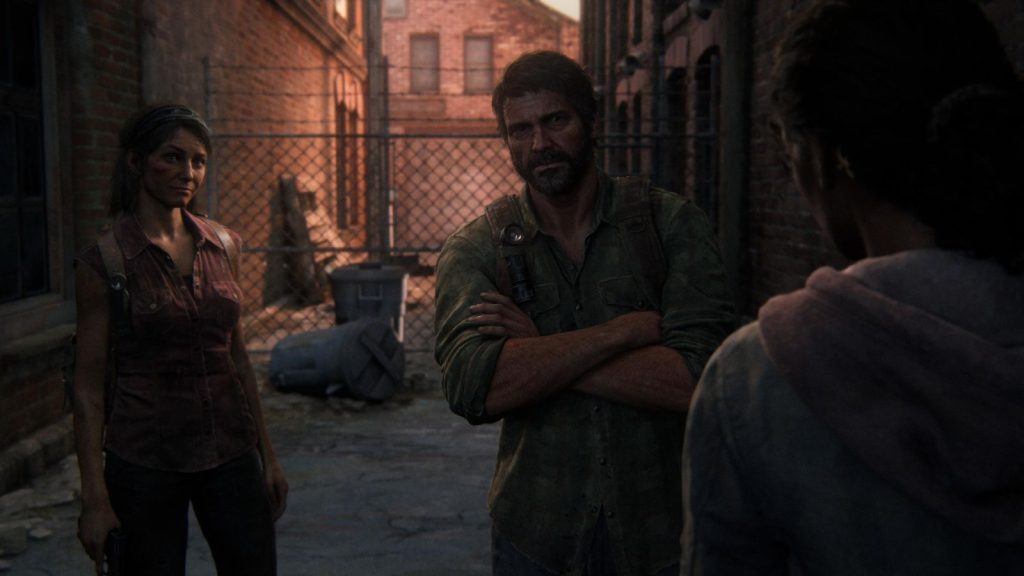
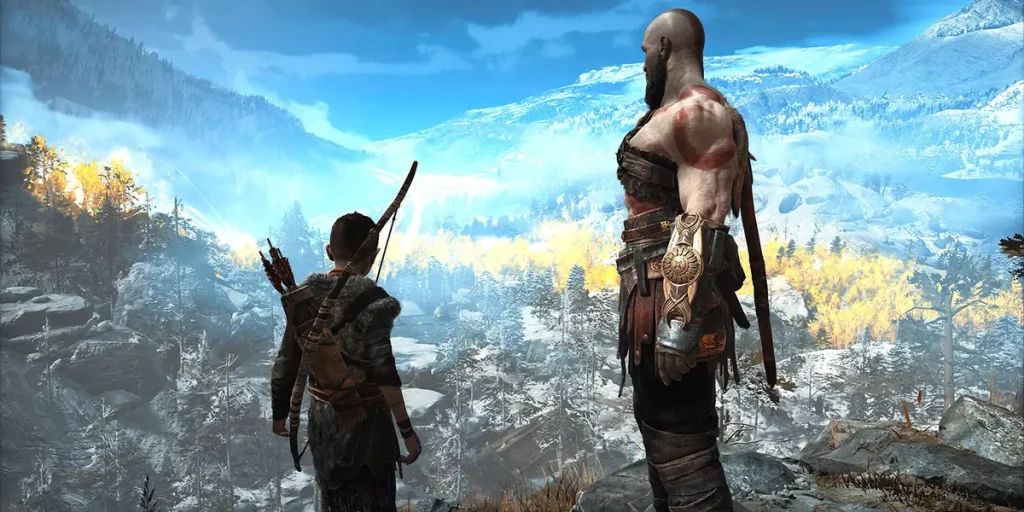
Technological advancements have fueled this transformation. Performance capture allows actors to deliver nuanced expressions and realistic movements, while advanced graphics engines render lifelike environments. Games such as God of War and Uncharted 4: A Thief’s End showcase seamless transitions between gameplay and cinematic cutscenes, creating an uninterrupted narrative flow. Gaming as Entertainment: When Video Games Rival Hollywood thrives on this fusion of technology and storytelling, giving audiences not just a story to watch but a world to inhabit. By placing players at the center of the action, Gaming as Entertainment: When Video Games Rival Hollywood offers an experience that traditional films simply cannot replicate — the power of choice and participation.
Global Communities and Cultural Impact
Beyond storytelling, gaming has become a cultural powerhouse capable of uniting millions across continents. Online multiplayer titles such as Fortnite and League of Legends attract audiences that rival major sporting events and film premieres. Esports tournaments fill massive arenas, while live-streaming platforms broadcast gameplay to viewers worldwide. Gaming as Entertainment: When Video Games Rival Hollywood is evident in the way global audiences gather for in-game concerts, championship matches, and digital events that mirror Hollywood’s biggest nights. Through these shared experiences, Gaming as Entertainment: When Video Games Rival Hollywood highlights how interactive platforms have become social hubs as influential as cinemas once were.
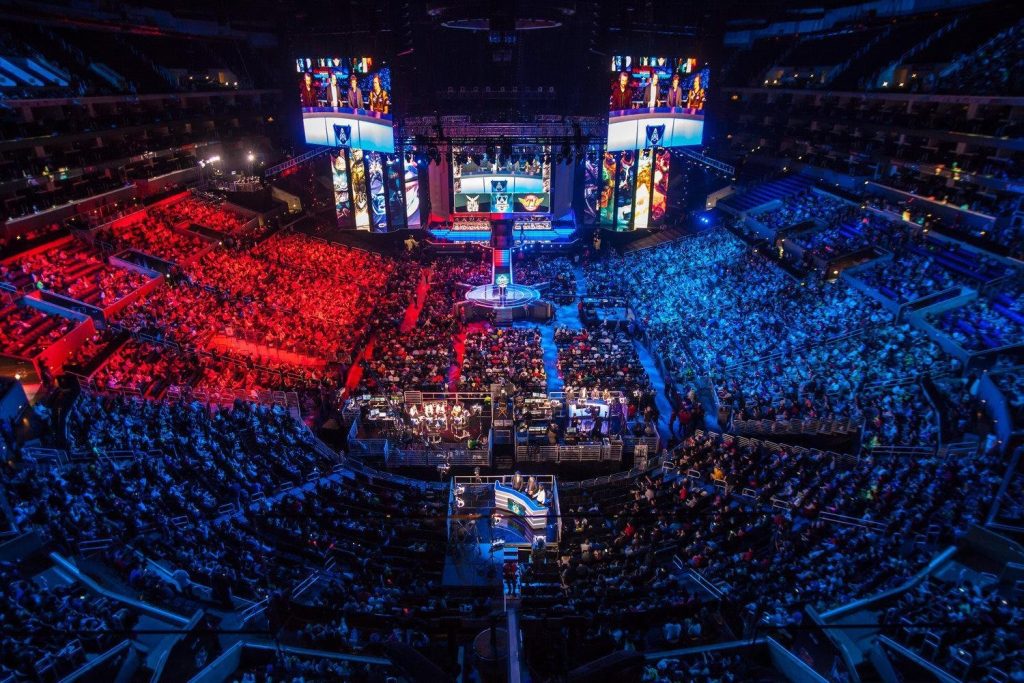

The cultural influence of gaming also extends into other media. Successful adaptations, such as The Last of Us, demonstrate that game narratives can transition seamlessly into television and film. Meanwhile, Hollywood increasingly looks to games for source material, reversing a long-standing trend. Gaming as Entertainment: When Video Games Rival Hollywood is reinforced by this cross-industry exchange, proving that interactive stories are rich enough to inspire cinematic retellings. As franchises expand across multiple platforms, Gaming as Entertainment: When Video Games Rival Hollywood underscores the interconnected future of storytelling, where no single medium dominates.
The economic data further supports this shift. The gaming industry consistently generates annual revenues that surpass global box office totals, driven by console, PC, and mobile markets. Accessibility has broadened the audience beyond traditional stereotypes, welcoming players of all ages and backgrounds. Gaming as Entertainment: When Video Games Rival Hollywood reflects not only financial growth but also generational change, as younger audiences often prioritize interactive experiences over passive viewing. With digital distribution and cloud gaming expanding reach, Gaming as Entertainment: When Video Games Rival Hollywood continues to strengthen its foothold in mainstream culture.
Gaming as Entertainment
In the years ahead, advancements in artificial intelligence, virtual reality, and cloud technology promise to deepen immersion even further. As innovation accelerates, gaming’s interactive advantage will remain its defining strength. While Hollywood continues producing cinematic masterpieces, video games offer something uniquely modern: agency. Players are not merely spectators; they are participants shaping outcomes and exploring expansive digital worlds.
Ultimately, the rise of gaming does not signal the fall of film but rather the evolution of entertainment itself. The two industries increasingly influence one another, sharing talent, technology, and storytelling techniques. Yet the participatory nature of gaming ensures its distinct place in cultural history. As interactive worlds grow richer and communities more connected, the competition between film and gaming will only intensify. And in that ongoing evolution, one reality stands clear: gaming is no longer playing catch-up — it is redefining what blockbuster entertainment means in the 21st century.